

Machine embroidery looks impressive from the outside. You load a design, press start, and the machine stitches perfectly even patterns at high speed.
But like every creative hobby, machine embroidery has its downsides. And pretending otherwise doesn’t help beginners make good decisions.
I write this as a hobby embroiderer and embroidery file designer, with over ten years of sewing experience and several years of plotting behind me. Machine embroidery didn’t replace those hobbies for me — it added another layer. A technical one.
In this article, I want to talk honestly about the disadvantages of machine embroidery, without hype and without discouraging anyone who might genuinely enjoy it.
Creativity happens before the machine starts
One of the first things many people don’t expect is where creativity actually happens in machine embroidery. Once the machine is running, there is very little creative decision-making left in that moment.
Most of the creative work happens earlier — when choosing or creating an embroidery file, planning the placement, selecting thread colors, and deciding how the embroidery fits into a project as a whole.
This means that machine embroidery shifts creativity to the computer. If you enjoy planning, designing, and thinking things through in advance, this can be deeply satisfying. If you prefer spontaneous, hands-on creativity, it can feel surprisingly distant.
You depend on embroidery files
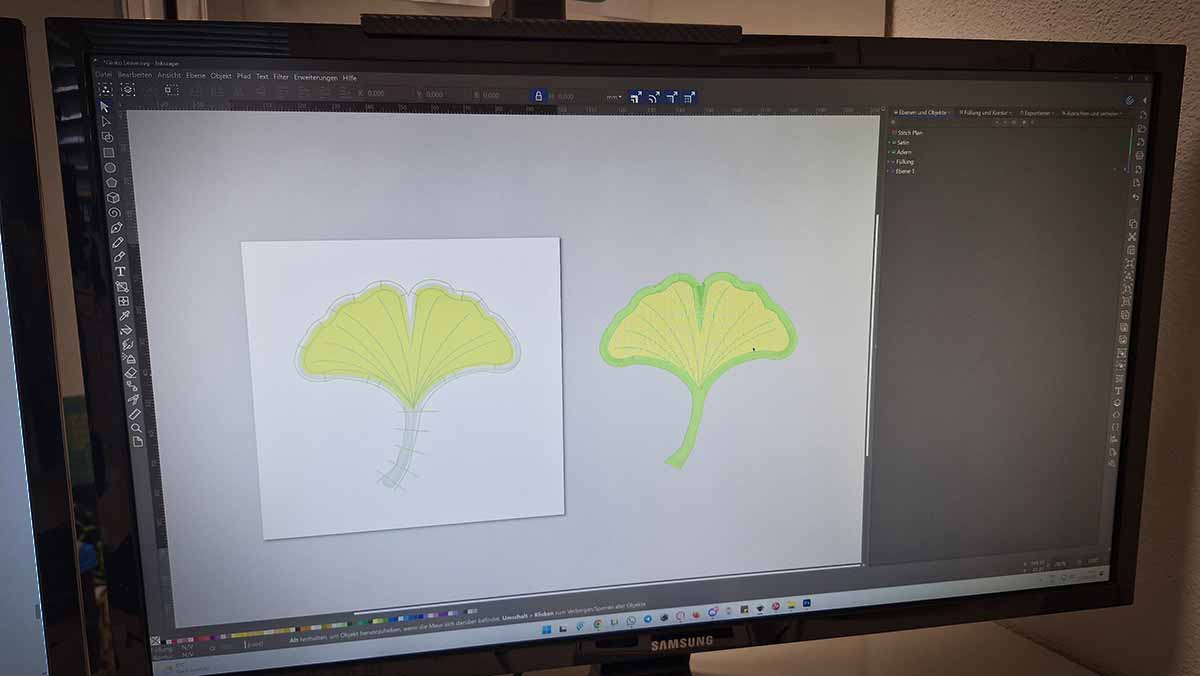
Unlike hand embroidery, machine embroidery simply cannot exist without digital embroidery files. You either buy them or create them yourself.
Designing embroidery files is not intuitive for most people. It usually involves working with vector graphics and stitch logic rather than pixels or freehand drawing. That learning curve can be steep, especially if you’ve never worked digitally before.
Personally, my background in plotting made this transition easier. Still, even with experience, embroidery digitizing requires patience, testing, and a willingness to accept technical limitations.
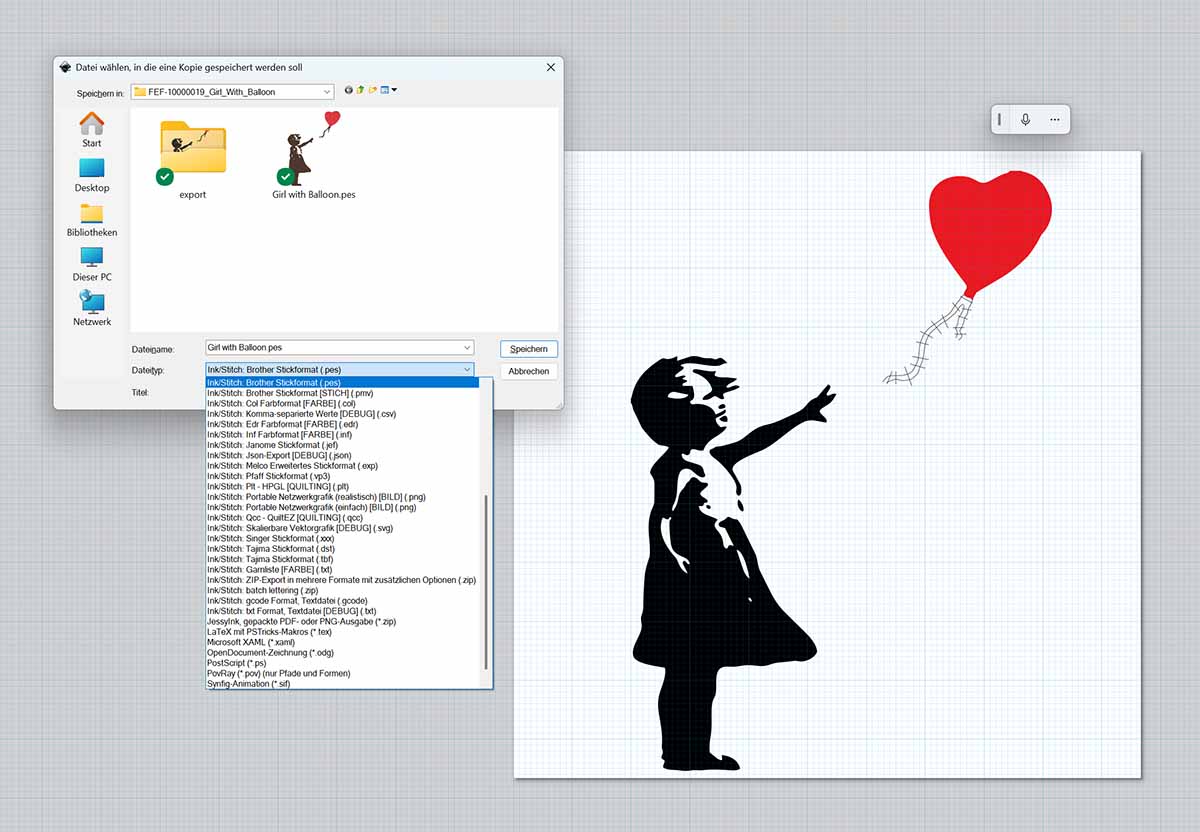
Tools like Inkscape are often used to create or prepare vector artwork, while software such as Hatch Embroidery can be useful for converting file formats that Inkscape doesn’t support. These tools make things possible — but they don’t make them simple.
Machine embroidery is a technical hobby
This is a point that can’t be softened: machine embroidery is technical.
It involves machines, software, file formats, needles, stabilizers, tension settings, and troubleshooting. If someone is afraid of technology, avoids machines, or doesn’t want to learn how things work, machine embroidery will likely be frustrating.
You don’t need to be an engineer. But you do need curiosity, patience, and the willingness to solve problems when things don’t work as expected. The machine is not something to fear — but it does demand respect.
It has little to do with sewing — but complements it well
For people who mainly love sewing, this can be a surprise: machine embroidery is not sewing. It doesn’t replace pattern construction, garment fitting, or fabric handling.
However, embroidery can be a beautiful addition. It allows personalization, decoration, repairs, labels, and details that would be difficult or impossible otherwise.
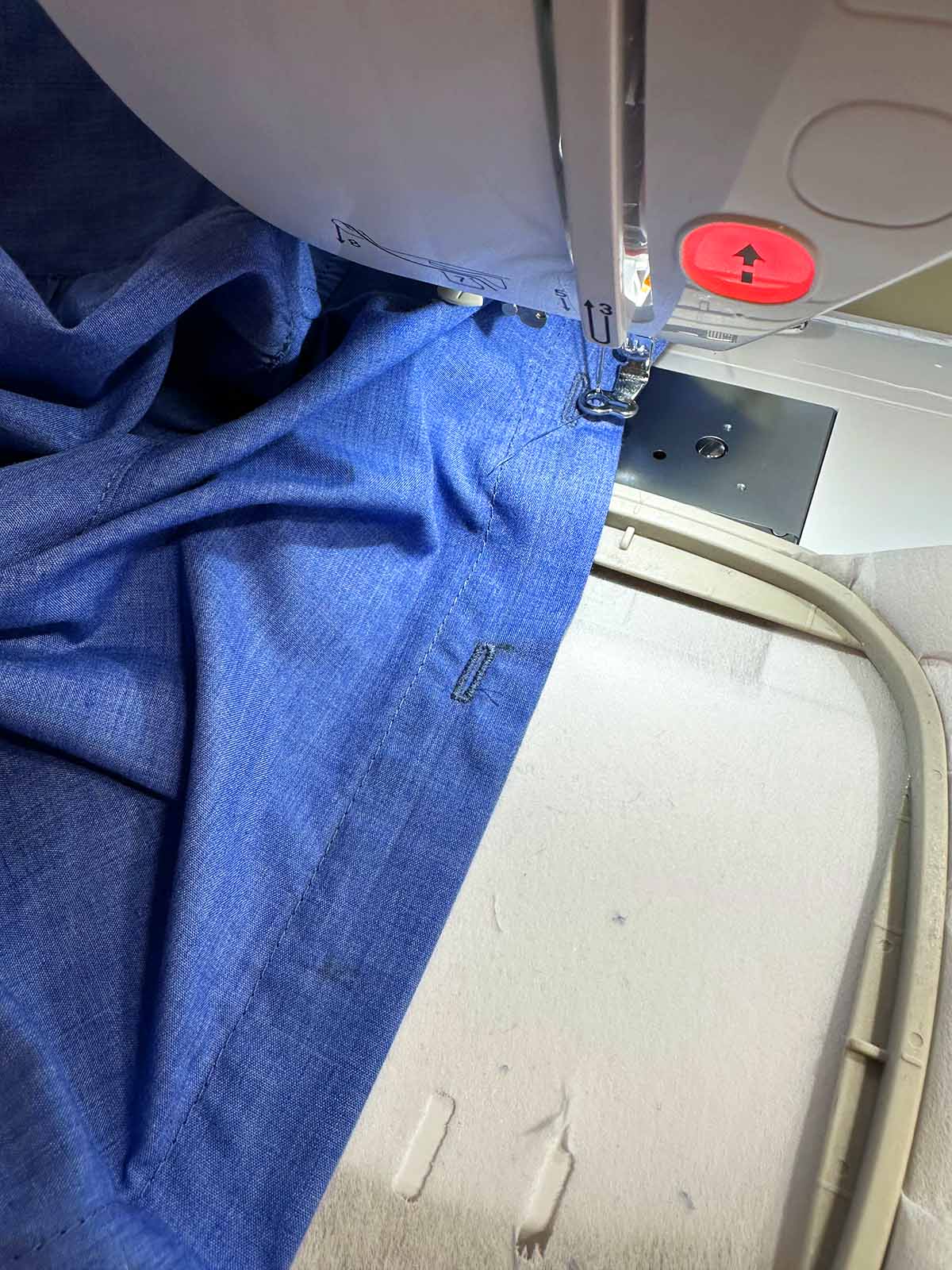
In many of my projects, embroidery is just one step. I cut fabric, sew parts together, embroider, and then continue sewing. Machine embroidery doesn’t stand alone — it integrates into a larger creative process.
The initial cost is high
There’s no way around it: machine embroidery is expensive to start. You need an embroidery machine, hoops, stabilizers, threads, and accessories.
Compared to hand embroidery, where the material cost is minimal, the entry barrier is significant. Once you own the machine, ongoing costs are manageable — thread and stabilizer don’t have to be premium products to work well — but the initial investment remains a real disadvantage.
It’s not about saving money — or making it
Like sewing, knitting, or hand embroidery, machine embroidery is rarely about financial gain. It doesn’t save money, and for most hobbyists, it doesn’t generate income either.
Turning embroidery into a profitable activity requires advanced skills, enormous time investment, and realistic pricing. Once you calculate your hours honestly, machine embroidery becomes a passion — not a business model.
It’s worth it only if you truly enjoy the process.
Machine embroidery and hand embroidery are different hobbies
These two are often compared, but they shouldn’t be confused. They are fundamentally different hobbies.
Hand embroidery is slower, more physical, and often meditative. Machine embroidery is faster, more precise, and more technical. Enjoying one does not automatically mean you’ll enjoy the other.
Understanding this difference helps set realistic expectations — and prevents disappointment.
FAQ – machine embroidery disadvantages
Is machine embroidery difficult to learn?
Machine embroidery isn’t difficult in a traditional sense, but it is technical. Learning how files, stabilizers, fabrics, and machines interact takes time and practice.
Is machine embroidery worth it as a hobby?
Machine embroidery is worth it if you enjoy the process itself. It’s rarely about saving money or making a profit.
Is machine embroidery cheaper than hand embroidery?
No. Hand embroidery has a much lower entry cost. Machine embroidery requires a significant upfront investment in equipment.
Do I need to design my own embroidery files?
No, but you do need embroidery files. Designing your own files adds creative freedom, but also complexity.
Is machine embroidery the same as sewing?
No. Sewing and machine embroidery are separate skills that complement each other but don’t replace one another.


Leave A Comment